





Cotton Jackets: Cloth, Shape and Everyday Dressing

What Cotton Brings to a Jacket
A cotton jacket occupies an interesting place in modern dressing. It can retain the outline of a tailored jacket while feeling closer to the clothes of everyday life. Its character is not determined by the fibre alone, however. Cloth weight, weave, surface and construction all influence whether a jacket appears precise, relaxed or somewhere between the two. Cotton is the starting point of that conversation, not its conclusion.
Compared with many wool cloths, cotton often has a drier handle and a more defined response to folds. Rather than falling in long, fluid lines, it may hold a shape, bend at the elbow and record movement across the body. These qualities can give a jacket a direct, practical presence. They also explain why two jackets with similar measurements can behave differently when one is made from cotton and the other from wool.
There is considerable variation within cotton itself. A tightly woven cloth can produce a clean surface and a firm outline; a softer cloth may settle more readily around the wearer. Finishing changes the result again. Washing or brushing can alter the handle and appearance, but neither should be assumed from a photograph. The composition and product description establish what the cloth is; handling the garment reveals how it feels.
Cotton is absorbent, but that fact does not guarantee a cool or airy jacket. A dense fabric, substantial lining and close silhouette can make a cotton garment feel quite enclosed. Conversely, a lighter cloth and a more open shape may allow greater air circulation. Comfort comes from the whole garment. Fibre content is useful information, but it should be read alongside weight, construction and the space available for movement.
Creasing belongs to this material discussion too. Cotton commonly develops folds through wear, although their depth and persistence depend on the fabric and finish. A few creases can be consistent with the jacket's everyday character. They need not be treated as a defect, nor romanticised as proof of quality. The relevant question is whether the cloth maintains the intended silhouette as it is worn.
Reading the Silhouette
The first assessment of a cotton jacket should concern proportion. Before examining individual details, look at the relationship between shoulder, chest, waist and length. Does the jacket establish a coherent outline? Does the body of the garment balance the trousers beneath it? A jacket can be close-fitting or generous without losing clarity, provided its volumes relate to one another rather than competing for attention.
The shoulder gives that outline its initial direction. A shoulder that follows the body creates a different impression from one that extends beyond it. Neither is inherently more correct: each belongs to a particular design. What matters is that the sleeve and upper body support the intended shape. Unexpected ridges, strain or collapse deserve attention, especially when they remain visible after the jacket has been adjusted and allowed to settle.
Across the chest, the jacket should have enough room to close as intended without persistent pulling. Cotton's relatively firm behaviour can make tension particularly apparent around the fastening. Yet sizing up is not always the answer. If the shoulder, collar and overall length already sit correctly, a different model may offer a better balance. Finished-size clothing is best assessed as a complete design, not as a collection of isolated measurements.
Length changes the stance of the jacket. A shorter body can feel more compact, while a longer one may create a more extended line through the torso. The effect also depends on the rise and volume of the trousers. There is no useful universal rule that makes one length right for every wearer. Looking at the full silhouette, rather than the jacket alone, gives a more reliable impression of balance.
Movement provides the final check. Sit down, reach forward and bend the arms naturally. Some change in the cloth is inevitable; the question is whether the garment accommodates ordinary movement without requiring constant adjustment. Assess it over the type of layer it will usually accompany. A jacket chosen over a thin shirt may feel quite different over knitwear, even when its labelled size remains unchanged.
Construction and the Character of the Cloth
Fabric and construction are often discussed separately, but a jacket only takes shape through their relationship. A firm cotton cloth can be given additional structure, or allowed to provide much of the outline itself. A softer cloth may need a different internal arrangement to maintain the designer's intended line. Neither approach establishes quality on its own. The result should be judged by how convincingly the garment holds together.
Lining affects how a jacket feels against the clothes beneath it and how readily it moves over them. It can also influence the sensation of warmth and the way the garment settles. The presence or absence of lining should therefore be treated as a specific construction fact, not inferred from a relaxed photograph. An informal-looking jacket may still contain substantial internal support, while a clean outline need not imply a rigid build.
Seams and edges offer more tangible evidence. They should sit consistently with the design, without unexplained distortion or uneven tension. Examine how the sleeves hang and how the front settles when the jacket is worn. Cotton can reveal small irregularities because its surface and folds often remain clearly defined. A considered garment makes these elements feel connected, rather than allowing one detail to disrupt the whole.
Pockets, fastenings and lapels also change the register. External pockets can draw attention to the jacket's practical side, while less prominent pocket treatments may preserve a quieter front. These details are signals rather than fixed categories. Their effect depends on scale, placement and the surrounding cloth. The most useful reading is cumulative: no single button, pocket or lapel can explain the character of the entire jacket.
When reading a product page, distinguish stated facts from broad adjectives. Cotton content, lining information and clearly described construction provide something concrete to assess. Words such as soft or lightweight become more useful when supported by context. For an Elio Evan garment, the relevant details are those confirmed for that particular product. A general understanding of cotton should help interpret those facts, never stand in for them.
A Place in the Wardrobe, and Care Over Time
The value of a cotton jacket becomes clearer through repeated use. It may bring definition to clothes that otherwise feel informal, without asking the whole wardrobe to adopt a formal register. That role depends on the jacket itself: a firm outline and restrained surface will read differently from a washed finish and generous volume. Choosing with existing proportions and habits in mind gives the garment a credible place in daily dressing.
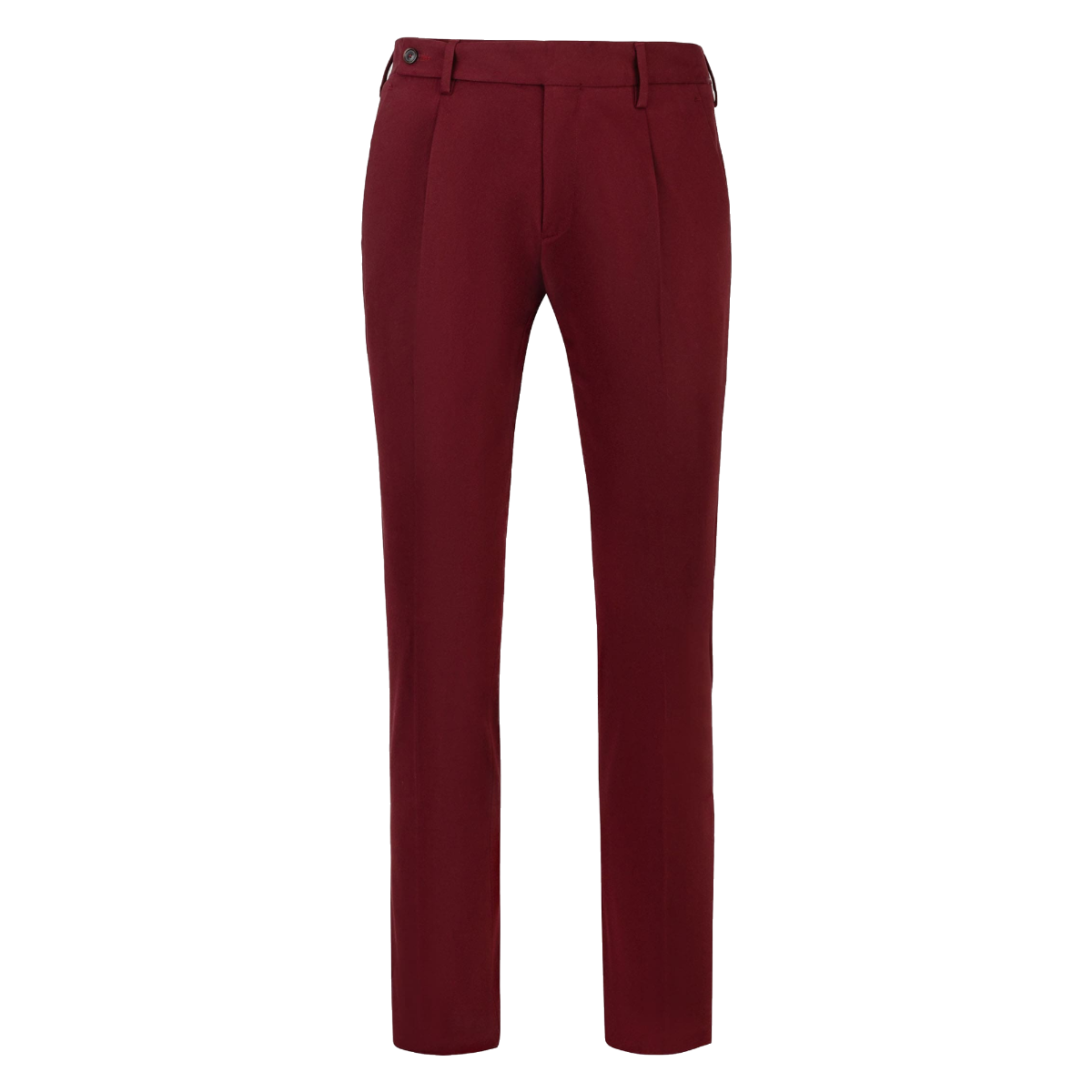
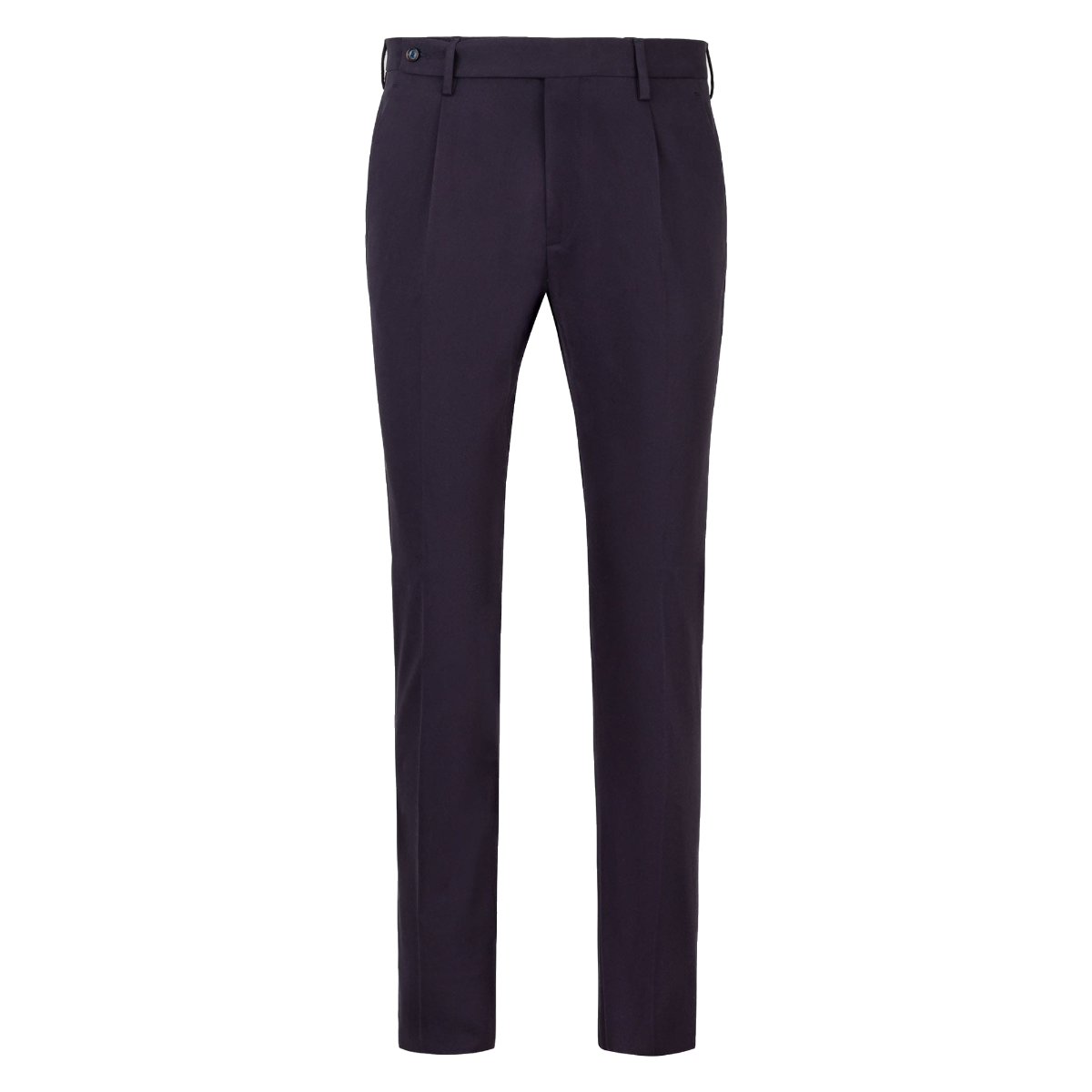
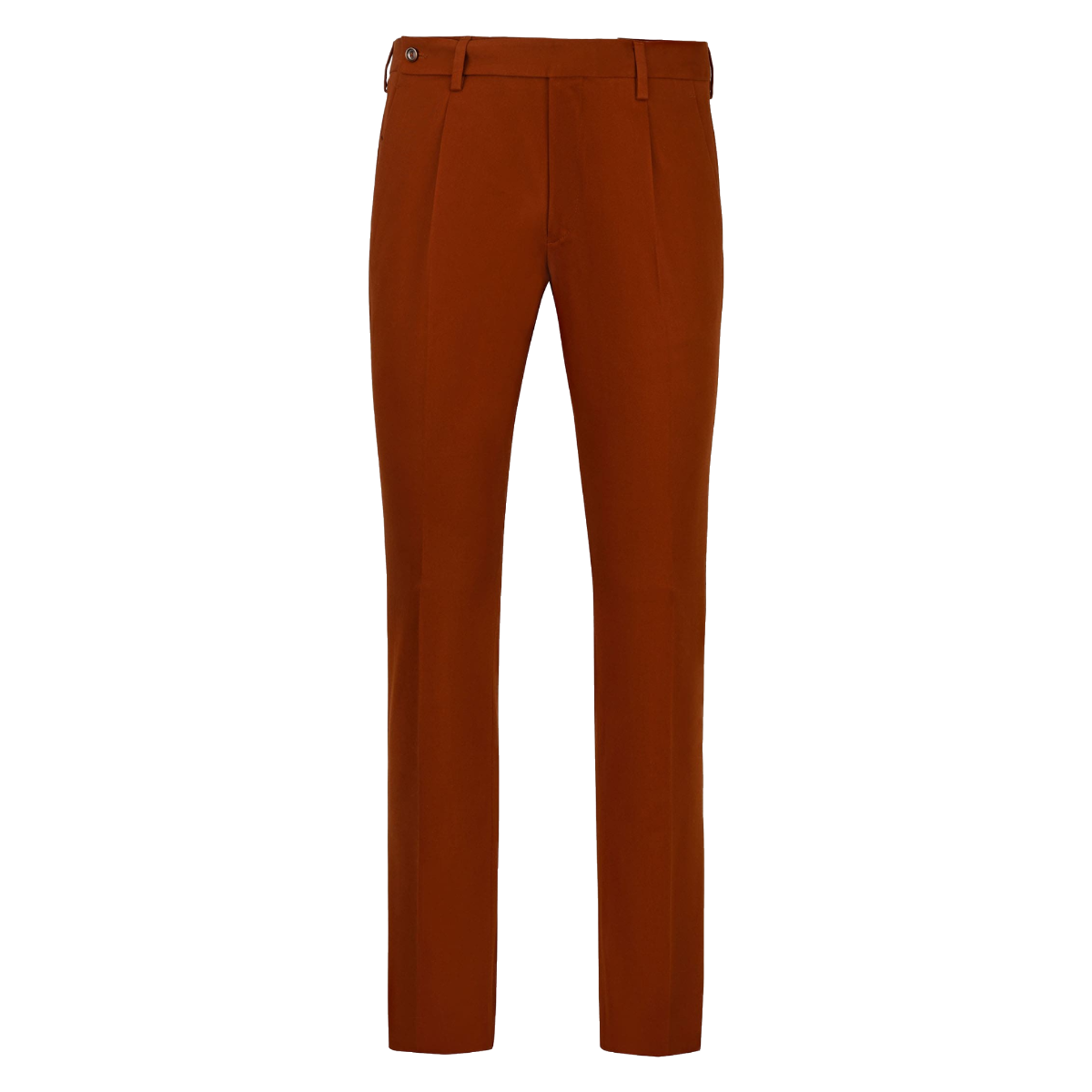
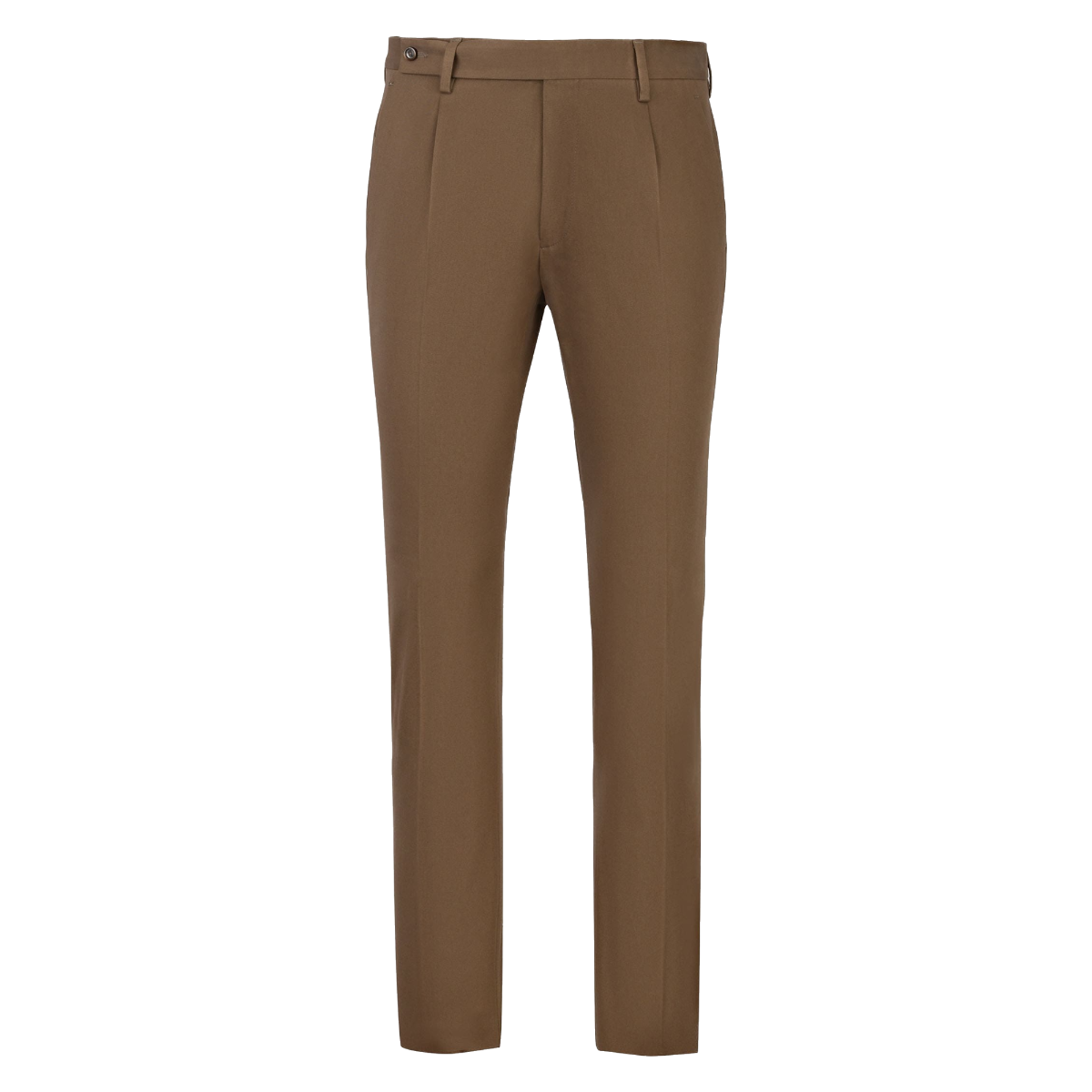
Colour influences that continuity. Dark blue, brown and muted neutral shades can each establish a different relationship with the surrounding wardrobe. Rather than treating any colour as universally versatile, consider its depth and contrast against the clothes already worn regularly. A jacket that repeats an existing tonal language may become useful through familiarity. A contrasting shade can be equally coherent when the silhouette remains consistent.
The relationship between jacket and trousers matters more than a prescribed pairing. Similar fabric weights can create visual balance, while a pronounced difference may place emphasis on one part of the silhouette. Cotton also appears differently beside a smooth or visibly textured surface. These are questions of composition, not instructions to build a particular outfit. The aim is to recognise why a combination feels connected, rather than to follow a checklist.
Care should begin with the garment's label. Cotton fibre does not automatically make a constructed jacket suitable for machine washing. Linings, internal components, dyes and finishes may require a different process from the outer cloth. Follow the stated instructions and seek professional advice when they are unclear. Unnecessary cleaning can be avoided by airing the jacket appropriately and addressing marks according to the recommended care method.
Between wears, use a hanger that supports the shoulders without stretching them, and allow the jacket space rather than compressing it among other garments. Any pressing or steaming should follow the care guidance, particularly where the fabric has a specific finish. A cotton jacket rewards this kind of attention: not an attempt to keep it untouched, but a practical respect for its shape, material and continued use.
Login and Registration Form