





Wool After Dark: A Guide to Evening Dressing

What Wool Brings to Evening Clothes
Evening dressing begins with the occasion, but its character often comes from the cloth. In wool, a dark jacket can have depth without relying on shine, while a pair of trousers can hold a clear line without looking rigid. These are not qualities shared equally by every wool fabric. Yarn, weave, weight and finishing all influence the result, making the fabric itself worth as much attention as the name on the invitation.
One of wool’s useful characteristics is its natural resilience. The fibre can recover from deformation, helping a garment regain its shape after wear, although the behaviour of the finished cloth depends on how it is made. Wool also absorbs moisture vapour, which can contribute to comfort. Neither property makes every wool suit suitable for every room or occasion; fabric weight, lining and the way the garment fits remain important.
For evening clothes, the surface deserves particular attention. A restrained, relatively matte cloth allows the outline of a jacket to remain the main impression. A fabric with more lustre catches the light differently and can feel more ceremonial. Neither is automatically the better choice. The question is whether that surface supports the garment’s intended use and whether it feels convincing on the person wearing it.
Composition alone does not tell the whole story. Two fabrics labelled pure wool may differ considerably in texture, density and drape. A wool blend may behave differently again, depending on its other fibres and their proportions. Rather than treating one composition as a guarantee, consider how the cloth hangs, how its surface looks under artificial light and how comfortably the finished garment moves.
Reading the Invitation Before Choosing the Suit
The distinction between a dark wool suit and a dinner suit is more than a matter of colour. A conventional suit belongs to a broad range of formal settings. A dinner suit has a more specific role within black tie, usually distinguished by silk-faced lapels and corresponding formal details. A black suit does not become a dinner suit simply because it is worn after dark.
When an invitation specifies black tie, a dinner suit is the clearest response. Black remains the established choice, with midnight blue another recognised option. Wool is frequently used for the main cloth, providing a quieter background against which the lapel facings can register. The contrast between those surfaces is part of the garment’s character, rather than an invitation to add further decoration.
Black tie optional leaves more room for judgement. A dinner suit remains appropriate, while a dark suit with a formal shirt and restrained tie can also answer the invitation. The venue, the host’s expectations and the nature of the event help determine which feels more suitable. If the wording is uncertain, asking the host is more useful than trying to interpret formality from the location alone.
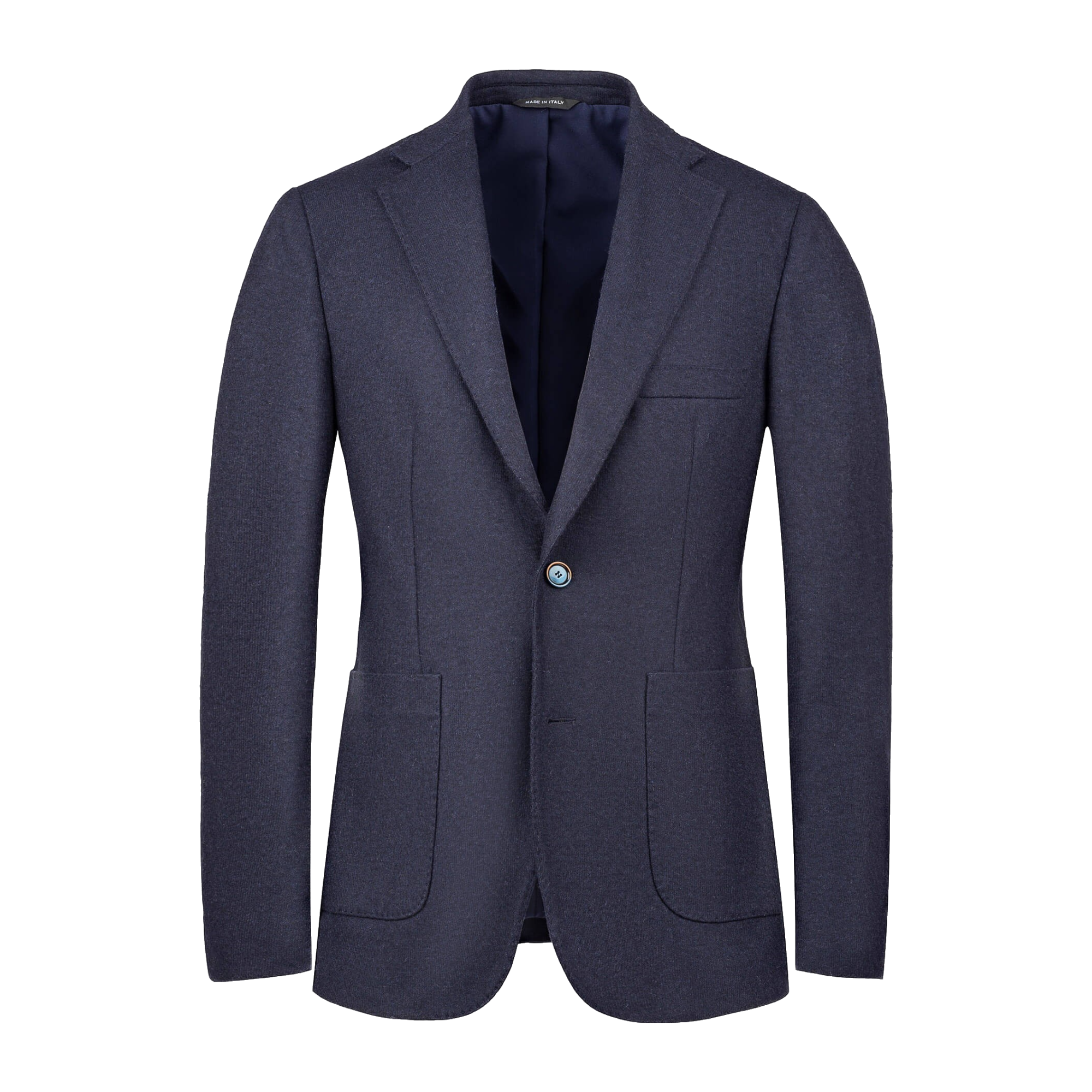
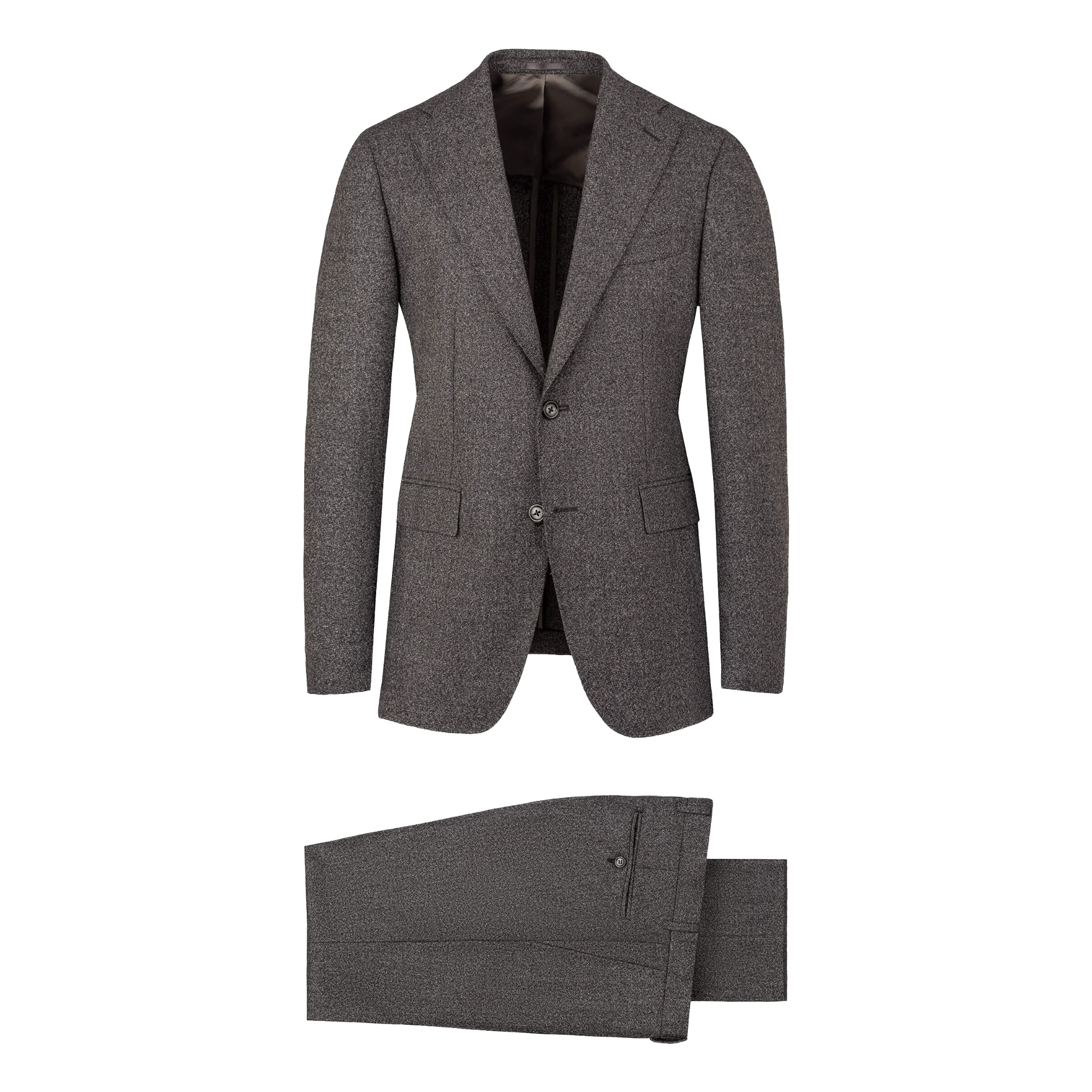
For dinners, receptions and performances without a stated dress code, a dark wool suit offers a different kind of freedom. Deep navy or charcoal can look composed without suggesting full black tie. A separate jacket and trousers may also be appropriate where the setting permits, but the relationship between the two needs to look deliberate. The aim is not to dress every evening occasion alike, but to recognise the level of formality each one asks for.
Colour, Surface and the Shape of the Whole
Black has a particular clarity in evening clothes. It reduces the prominence of colour and makes the relationship between cloth, shirt and exposed skin more apparent. Yet black fabrics are not visually identical. A dense matte surface can appear markedly different from a cloth with a visible sheen, even when both carry the same colour description. Seeing the garment beyond a bright fitting-room mirror can be revealing.
Midnight blue offers another expression of formal evening dressing. Depending on the fabric and lighting, its colour may register as a subtle depth rather than an obvious blue. Navy and charcoal, meanwhile, work well within the broader language of dark suits. These distinctions are worth preserving: midnight blue, navy and black are related choices, not interchangeable names for the same effect.
Texture changes the register too. A visibly brushed wool cloth can suggest a different mood from a smooth fabric, even in an equally dark shade. Neither should be judged in isolation from the event. For strict black tie, established dinner-suit cloths provide a dependable reference. For less prescribed occasions, there is more room to consider a surface with character, provided the rest of the ensemble gives it space.
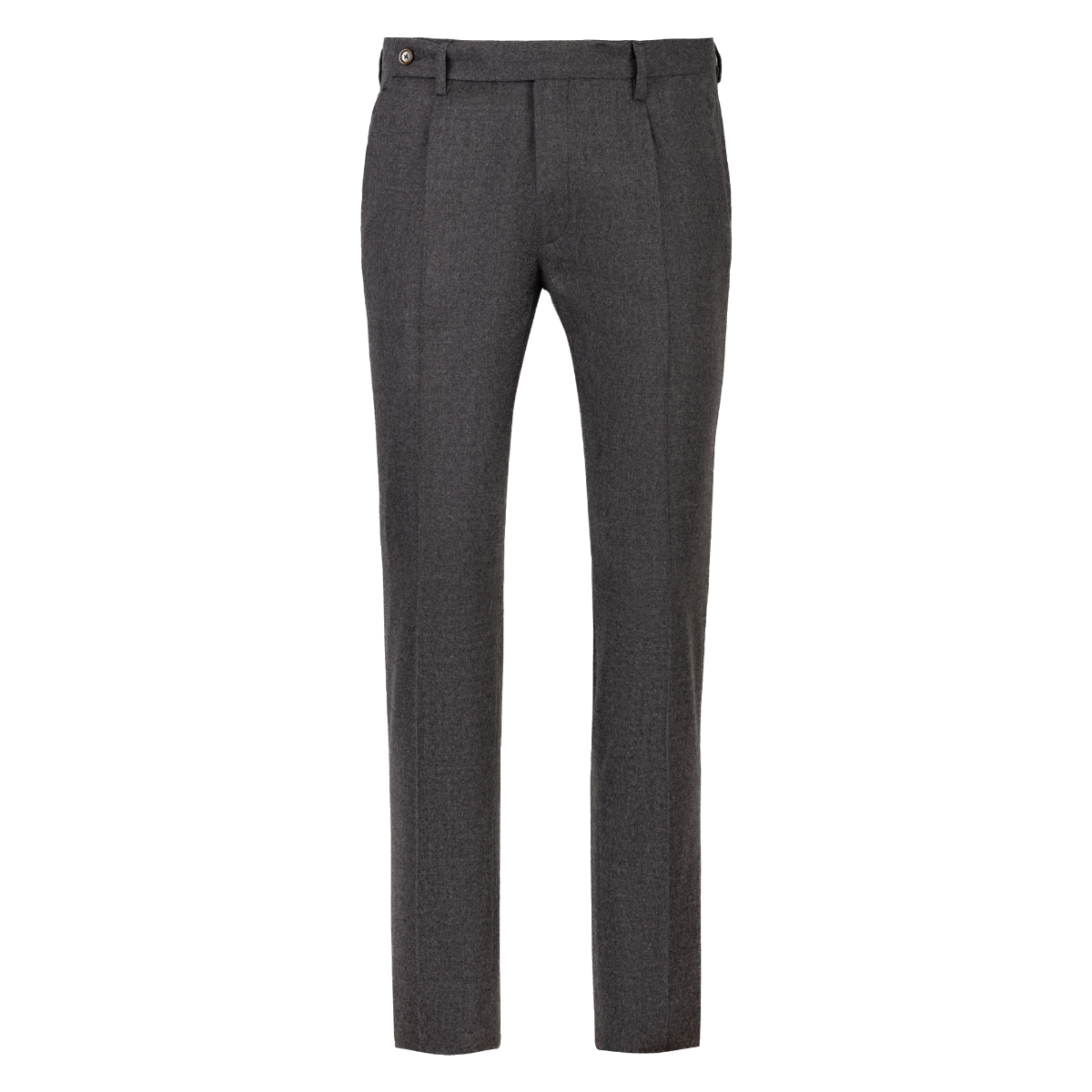
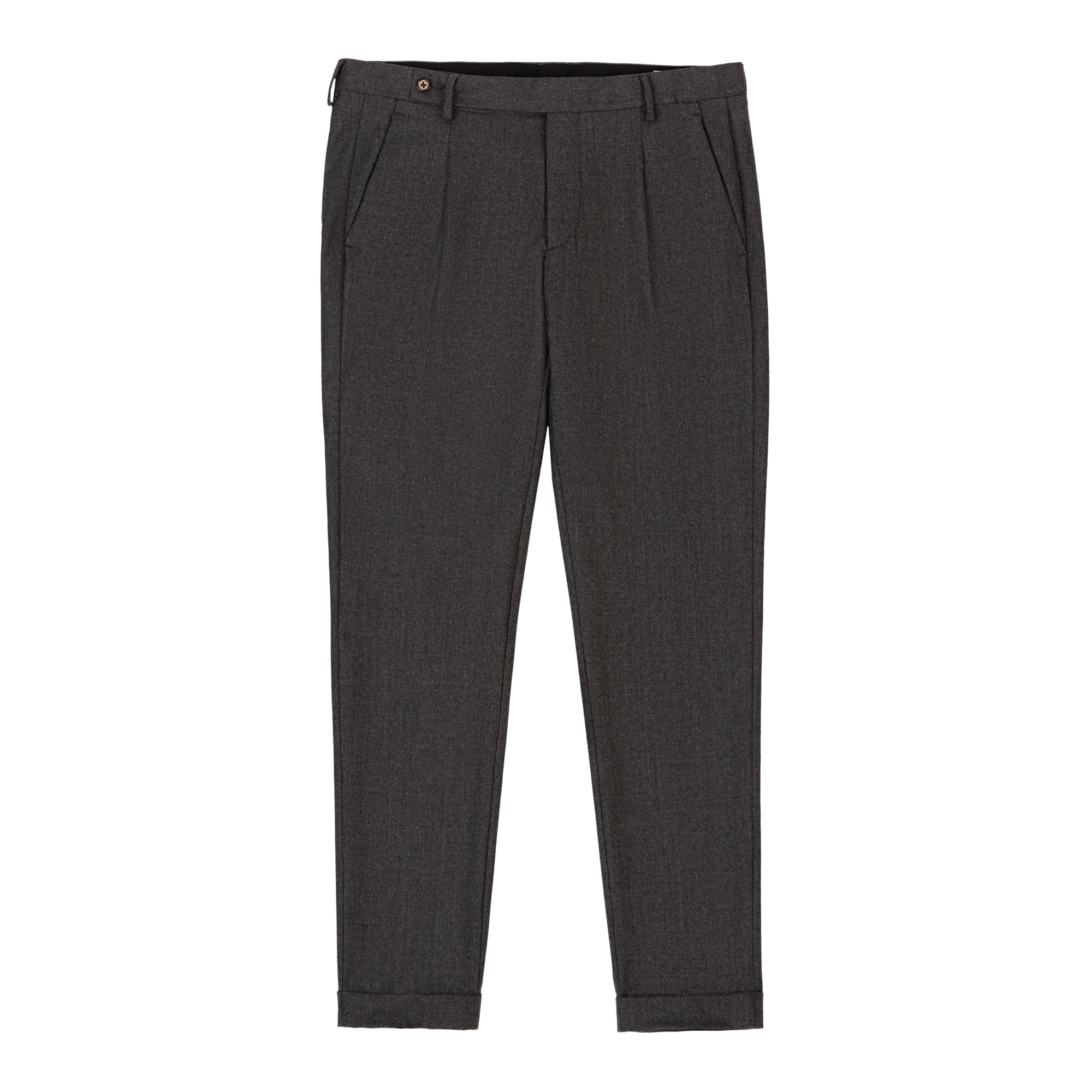
The garment’s proportions bring those decisions together. The shoulder should sit convincingly, the lapels should lie cleanly and the fastening should not create obvious strain. Trousers need enough room to sit and walk comfortably, with a length that works with the chosen shoes. These are practical observations rather than arguments for one fashionable silhouette. In ready-to-wear, comparing sizes and checking the garment in movement often tells more than the size label alone.
Finishing the Ensemble and Wearing It Again
Evening accessories work best when their degree of formality agrees with the clothes. With a dinner suit, a suitable formal shirt, black bow tie and appropriate black footwear maintain the established language of black tie. With a conventional dark suit, the choices are broader, but the same principle holds: shirt, neckwear and shoes should appear to belong to the same occasion rather than competing for attention.
The shirt has a substantial effect on the whole. White creates a clear contrast with dark wool and keeps the face visually distinct from the jacket. Its collar needs to sit comfortably with the chosen neckwear, while the sleeves should relate neatly to the jacket cuffs. Small points of alignment can do more for an ensemble than adding another accessory. A pocket square, if worn, should contribute without becoming the subject.
Comfort deserves a check before leaving, not halfway through dinner. Sit down with the jacket fastened, then unfasten it and notice how the trousers feel at the waist. Walk a few steps and check that the shirt collar remains comfortable. Evening clothes are often worn for several hours, much of that time seated. A convincing appearance should not depend on holding a single position in front of a mirror.
Looking after wool evening wear begins with the garment’s care label. After wearing, allow the clothes to air in a suitable place before returning them to the wardrobe. A supportive hanger helps preserve the jacket’s shape, while trousers should be stored without unnecessary compression. Seek appropriate professional cleaning when needed, particularly where marks or delicate facings require attention. The point is to keep the garment ready for its next occasion: familiar in feel, clear in line and still a pleasure to put on.
Login and Registration Form