





Wool Jackets and Everyday Presence

The character of a wool jacket
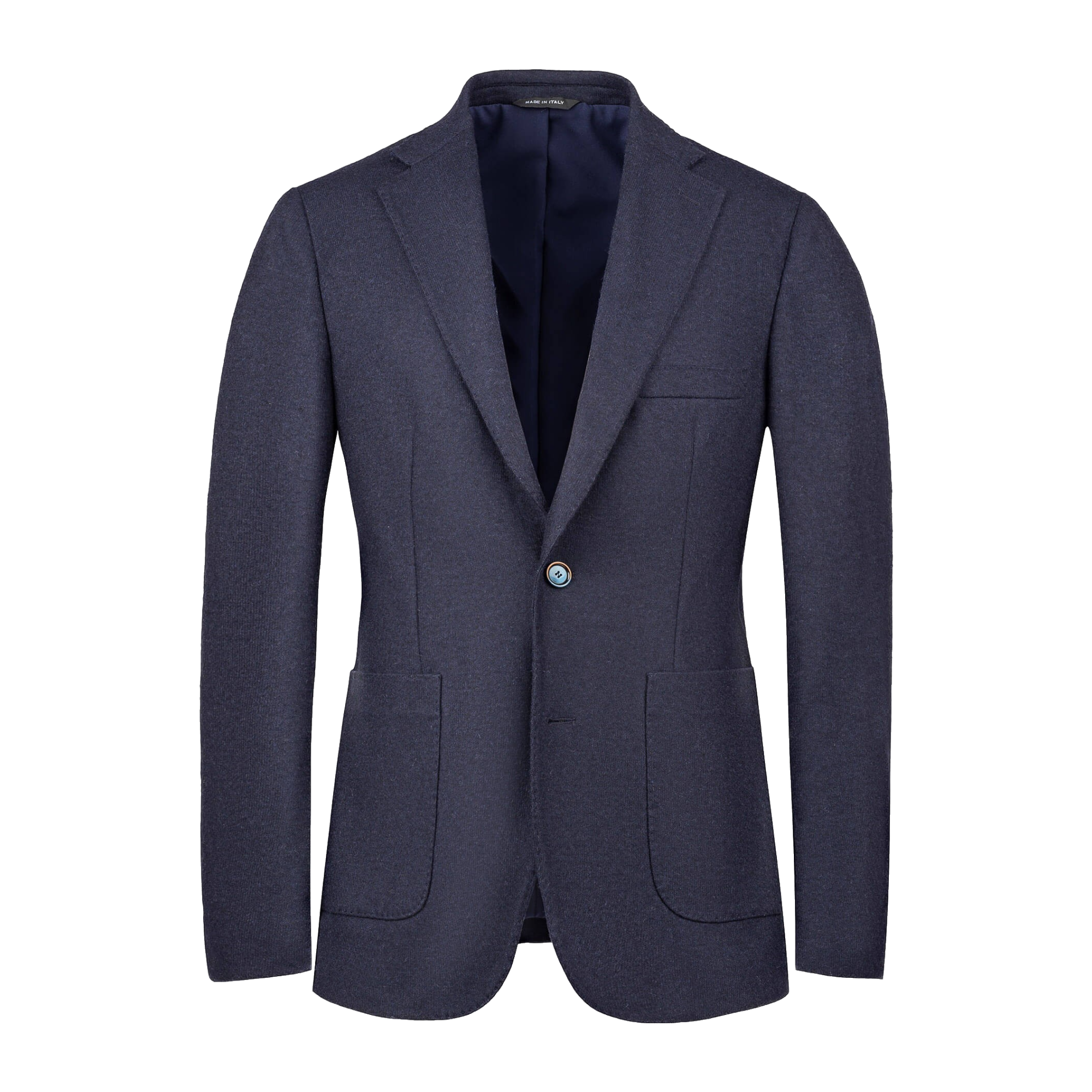
A wool jacket occupies a useful space in modern dressing. It can bring definition to a relaxed wardrobe without demanding the formality of a complete suit, yet retain enough structure for situations that call for a more composed appearance. Its character comes from the relationship between cloth and shape: how the fabric falls, how the shoulder sits, and how the overall proportion reads on the body. A successful jacket does not need conspicuous detail to make its design apparent. The line of the garment and the behaviour of its material can carry that work.
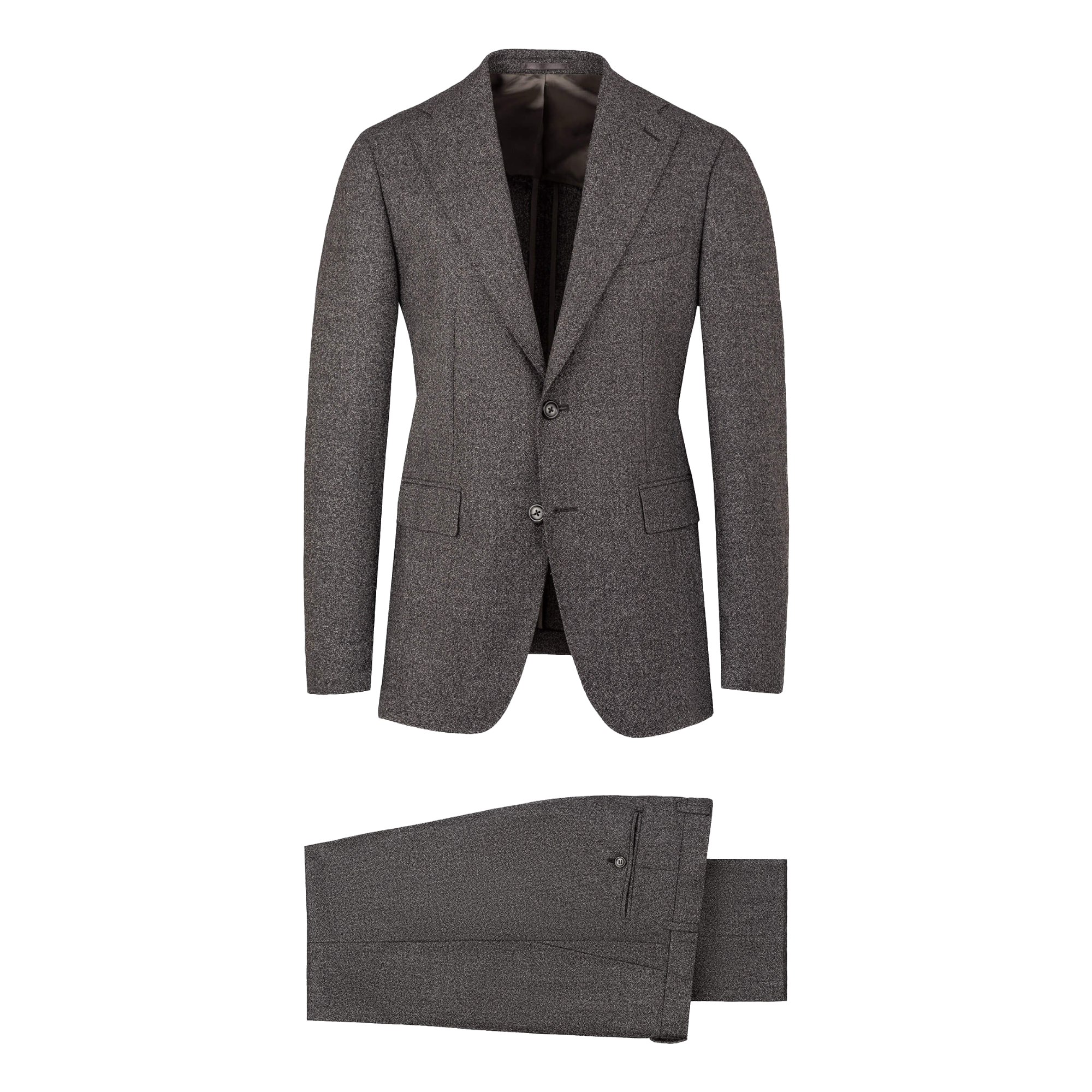
Wool is not a single visual or tactile experience. Depending on the fibre, yarn, fabric structure and finishing, it can feel smooth, dry, soft or substantial. Some wool fabrics have a clearly defined surface; others appear more uniform, allowing colour and silhouette to take precedence. These differences matter because they influence the register of the jacket. A smoother surface may read as more formal, while a visibly textured cloth can introduce a less formal character. Neither is inherently better. The relevant question is whether the material supports the way the garment is intended to be used.
The word wool on a product label is therefore a starting point rather than a complete description. Composition establishes what the fabric contains, but it does not explain its weight, handle or movement. A jacket made entirely from wool can behave very differently from another with the same stated composition. Where a blend is involved, the additional fibres also need to be considered in context. Percentages alone should not be treated as a ranking of quality. The finished fabric, the construction of the garment and its response to ordinary wear provide a fuller picture.
For Elio Evan, material belongs to the design rather than serving as decoration. The brand's point of view places proportion, use and presence before display, with tailoring as the foundation rather than the boundary. A wool jacket expresses that thinking when its cloth and silhouette work together. The aim is not to make a garment appear important in isolation, but to give it a clear and useful place in daily life.
Reading cloth through weight and movement
Fabric weight helps explain a wool jacket, but weight should not be confused with warmth or quality. A lighter cloth may fall close to the body, while a more substantial one may hold a clearer outline. The result also depends on the fabric structure and the internal construction. When a weight is provided, it offers useful comparative information; when it is not, photographs and descriptions can only tell part of the story. Handling the garment reveals more about how firmly the material holds its shape and how readily it moves.
Drape is the way cloth hangs and responds to the body beneath it. In a jacket, it can be observed across the chest, through the sleeves and around the lower edge. Fabric that falls cleanly gives the eye an uninterrupted line, although a clean fall does not necessarily mean a close fit. A jacket with more room can still look controlled if its proportions are resolved. Conversely, a narrow silhouette can look unsettled when the cloth pulls or gathers. Material and shape have to be judged together, rather than as separate attributes.
Colour changes the reading of the cloth as well. Navy and charcoal often allow the outline of a jacket to remain prominent without creating strong contrast. Lighter greys make shadows and surface variations easier to see, while browns can give wool a warmer visual character. These are tendencies, not rules. The same colour can look markedly different in a smooth fabric and a textured one. Viewing the jacket in natural light helps distinguish its actual tone from the effects of studio lighting or a screen.
Wool can absorb moisture vapour and has a natural resilience that may help some fabrics recover from light creasing. These properties do not make every wool jacket equally breathable or resistant to wrinkles. A densely constructed fabric, a lining or a particular finish can change the experience of wear. Broad promises about comfort are less useful than clear product information and direct observation. The most informative test is ordinary movement: sitting, walking and reaching while noticing whether the garment remains comfortable and its lines remain composed.
Proportion that supports everyday use
The shoulder is a useful place to begin when assessing a wool jacket. It establishes the upper frame of the garment and influences how the sleeves hang. The intended shape may be natural or more defined, but it should look deliberate rather than displaced. Beyond that, proportion is relational. Jacket length, sleeve volume and the amount of room through the body all affect one another. No isolated measurement can establish whether a jacket is right; the whole silhouette needs to be seen both standing still and in movement.
Ready-to-wear jackets are designed and made in finished sizes, so choosing one involves finding the existing size and silhouette that suit the wearer. Elio Evan's tailoring foundation is expressed through the garment's design and construction, not through a made-to-measure service. When trying on a jacket, comfort across the back and chest deserves as much attention as its appearance from the front. Persistent pulling, pronounced folds or restricted arm movement are reasons to reconsider the size or shape, rather than assume that a closer fit will look more assured.
Everyday use also asks the jacket to belong to a wider wardrobe. This is less about assembling prescribed combinations than understanding the level of formality already present in the clothes worn most often. A wool jacket can introduce structure without changing the entire character of those clothes. Its colour, surface and volume should feel connected to that existing language. Continuity matters: a jacket that works naturally with familiar garments is more likely to be worn regularly than one chosen for a single imagined occasion.
This is where restraint becomes practical rather than merely visual. An exaggerated shape or assertive surface may be a considered choice, but it should serve a genuine preference. There is no requirement for every jacket to attract attention. Some earn their place by providing a dependable line and a consistent sense of presence. Their value becomes apparent through repeated use, as the wearer learns how they move and where they belong.
Care as part of lasting value
Looking after a wool jacket begins with the instructions attached to the particular garment. Wool content alone does not establish a safe cleaning method: linings, internal structure, trims and finishing also matter. A jacket should not be machine washed unless its care label explicitly permits it. Where professional cleaning is specified, a cleaner experienced with structured garments can assess the appropriate treatment. Cleaning frequency should reflect actual wear and soiling, rather than an automatic schedule.
Between wears, a broad hanger that supports the shoulders helps preserve the jacket's shape. Allowing the garment to air in a dry, ventilated place can reduce lingering odours before it returns to the wardrobe. A suitable clothes brush, used gently, may remove surface dust, but delicate finishes require caution. Avoid storing the jacket while damp, and give it space rather than compressing it tightly between other clothes. These small habits protect both the fabric surface and the form of the garment.
Creases and marks need measured treatment. Direct heat or vigorous rubbing can damage a fabric's appearance, and a stain that is treated incorrectly may become harder to remove. Follow the care guidance before pressing or steaming; professional advice is preferable when the finish or construction is uncertain. For longer storage, make sure the jacket is clean and fully dry, then use appropriate protection against clothes moths. Check stored garments periodically rather than assuming that a cover alone resolves every risk.
Lasting value is not a claim that a jacket will remain unchanged forever. It is the relationship between useful design, suitable care and continued wear. A wool jacket earns its place when its material feels right, its proportions support the body and its presence remains relevant within the wardrobe. That is a quieter measure of worth than novelty: not how much the garment announces on its first outing, but how convincingly it returns to everyday life.
Login and Registration Form