





Wool Suits: Understanding Cloth, Shape and Wear

What Wool Brings to a Suit
A wool suit is interesting not simply because it is formal, but because of the relationship between cloth and shape. Fabric gives a jacket its surface and movement; construction directs how that fabric sits around the body. The same broad category can produce quite different results, from a smooth, clearly defined suit for professional settings to one with a softer surface and a more relaxed character. Understanding those differences makes choosing a suit more rewarding than judging it by colour or size alone.
Wool fibres have a natural crimp, which contributes to their resilience. In a finished cloth, this can help a garment recover from some of the creasing that comes with sitting and moving. Wool can also absorb moisture vapour, contributing to comfort during wear. These qualities are useful, but they do not make every wool suit behave identically. Yarn, weave, fabric weight, finishing and garment construction all influence the result.
Begin with the composition label rather than an impression of the surface. A suit described as wool may contain other fibres, and the proportions matter. Blends are not inherently better or worse than pure wool: they need to be understood according to their actual composition and intended purpose. Equally, a soft touch is only one part of the assessment. Consider how the fabric hangs, how readily it creases when gently handled, and whether its character suits the occasions you have in mind.
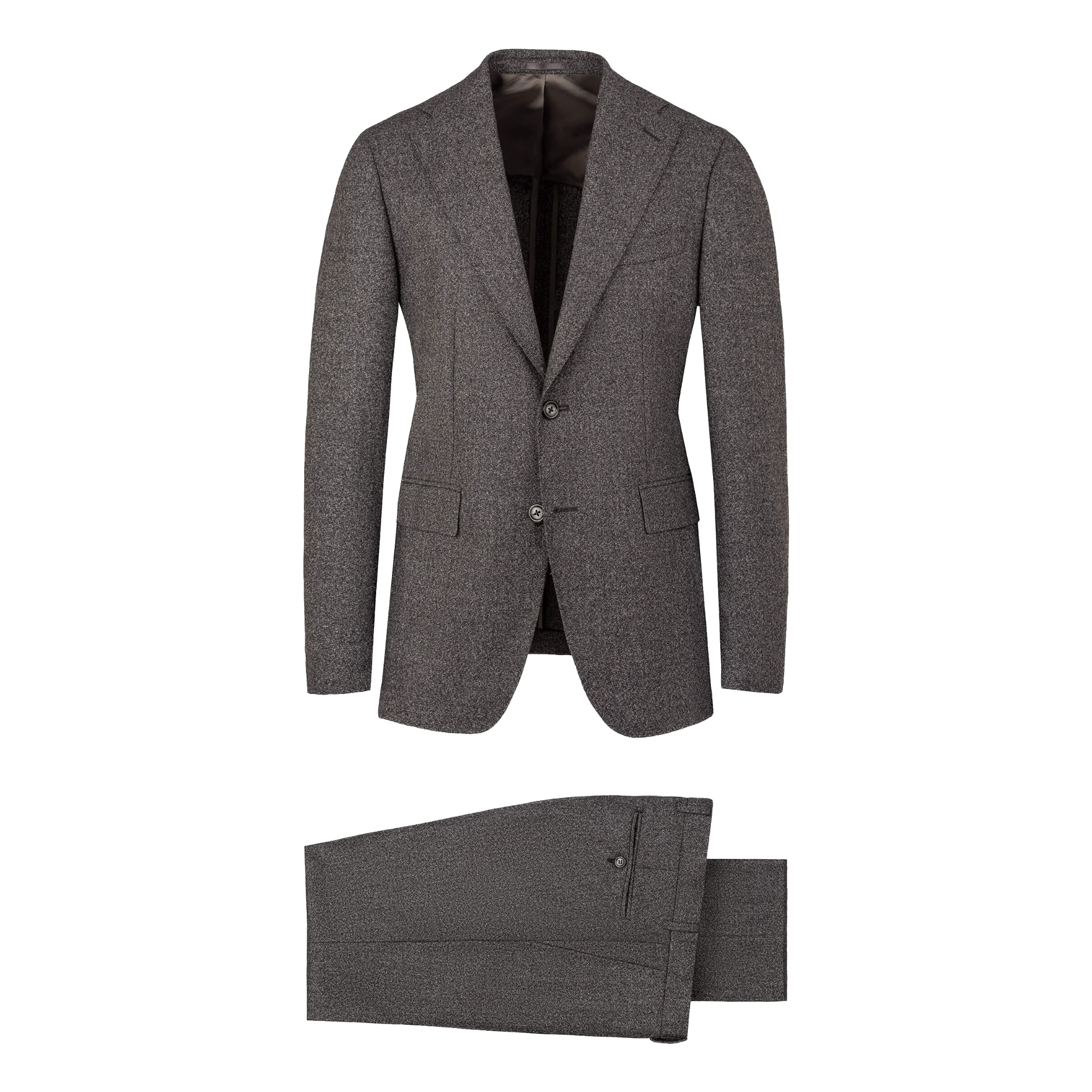
Worsted wool and wool flannel illustrate how different wool fabrics can appear. Worsted cloth is generally made with combed yarns and often has a smoother, more defined surface. Wool flannel typically has a raised surface that softens the visual outline. These are fabric descriptions, not qualities to assume from a photograph. When shopping online, look for the stated cloth information; when it is absent, composition alone cannot tell the whole story.
Read the Cloth Beyond the Label
Fabric weight is a useful starting point, provided it is understood in context. A lighter cloth may feel less substantial in the hand, while a heavier one can bring more body to the silhouette. Yet weight alone does not determine comfort or suitability. An open weave can allow more air through than a closely woven fabric of similar weight, and a jacket's lining and internal structure also affect the experience of wearing it.
The cloth should support the kind of line you enjoy. Some fabrics fall close to the body with relatively little resistance; others hold a more distinct shape. Neither approach is automatically more refined. A fluid cloth can give a suit an appealing sense of movement, while a firmer cloth may suit someone who prefers a more defined outline. Watch how the trousers fall as well as how the jacket looks: the two pieces need to make sense together.
If a fabric carries a Super number, treat it as information about wool fibre fineness, not a complete quality score. A higher number does not, by itself, establish better construction, greater durability or a more suitable suit. Finer fibres can contribute to a delicate cloth, but the finished fabric depends on much more than that single measure. For frequent wear, the practical character of the cloth deserves at least as much attention as the number on its label.
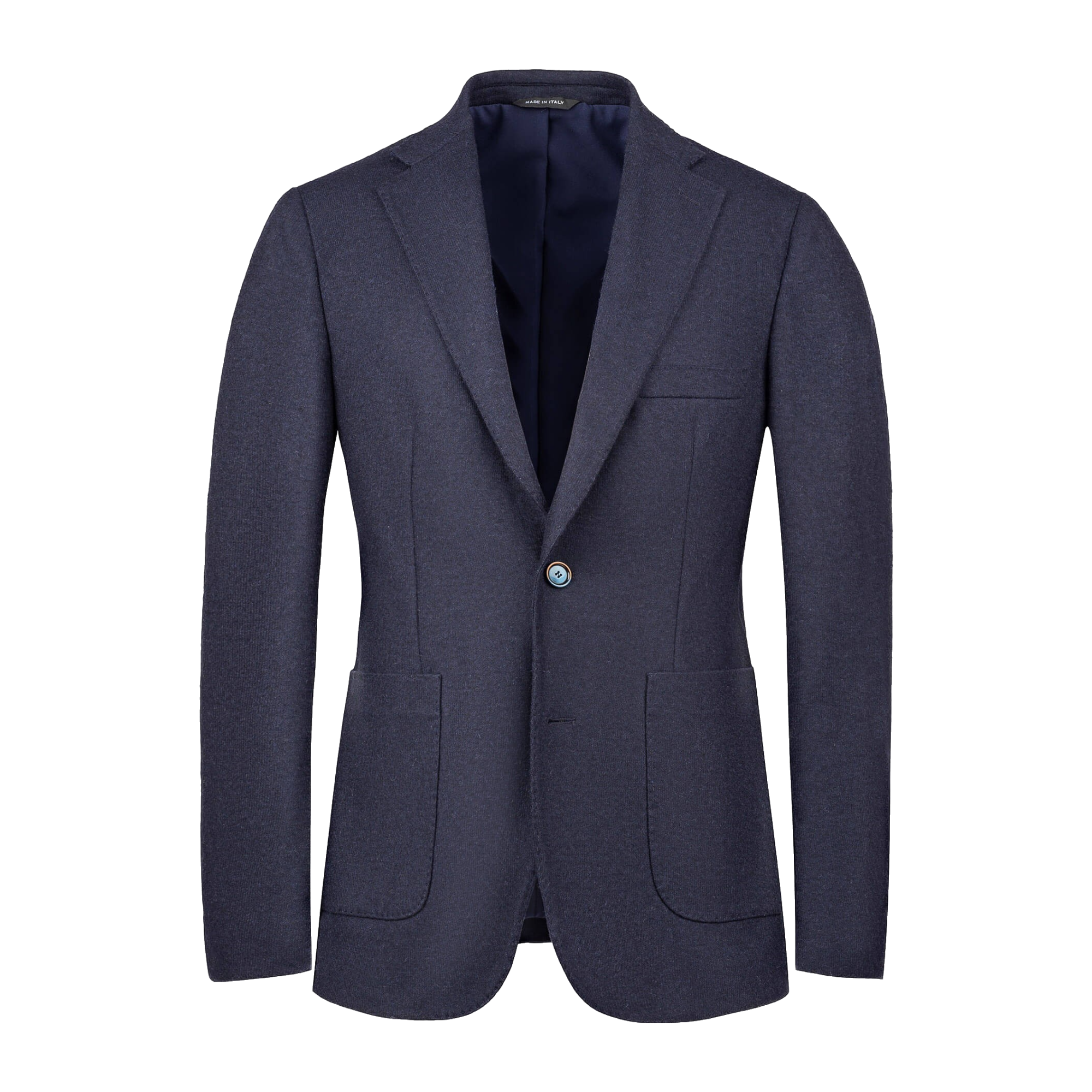
Colour changes the reading of the fabric. Navy can give a suit depth without the severity that black sometimes brings to daytime dressing. Mid-grey makes the relationship between jacket and trousers particularly visible, while charcoal creates a darker, more formal impression. Surface matters here too: texture can break up a solid colour, whereas a smoother finish gives it greater visual continuity. If possible, examine the cloth in daylight, since indoor lighting can alter both colour and perceived sheen.
Proportion Makes the Suit Personal
A suit's size is the beginning of its fit, not the final judgement. The shoulder, chest, waist and length need to work in relation to one another. Start by standing naturally, without pulling the shoulders back or holding the stomach in. A useful assessment reflects how you actually carry yourself. The jacket should sit cleanly around the neck and shoulders, and its fronts should fall without obvious pulling when fastened as intended.
Look beyond whether the jacket feels close or loose. A narrow waist cannot compensate for an awkward shoulder, and a shorter jacket does not necessarily make the whole silhouette look lighter. The balance between shoulder width, jacket length and trouser volume is what gives a suit coherence. Turn sideways and look at the back as well as the front. Persistent folds, lifting or tension are reasons to reconsider the size or shape, rather than assuming they will disappear with wear.
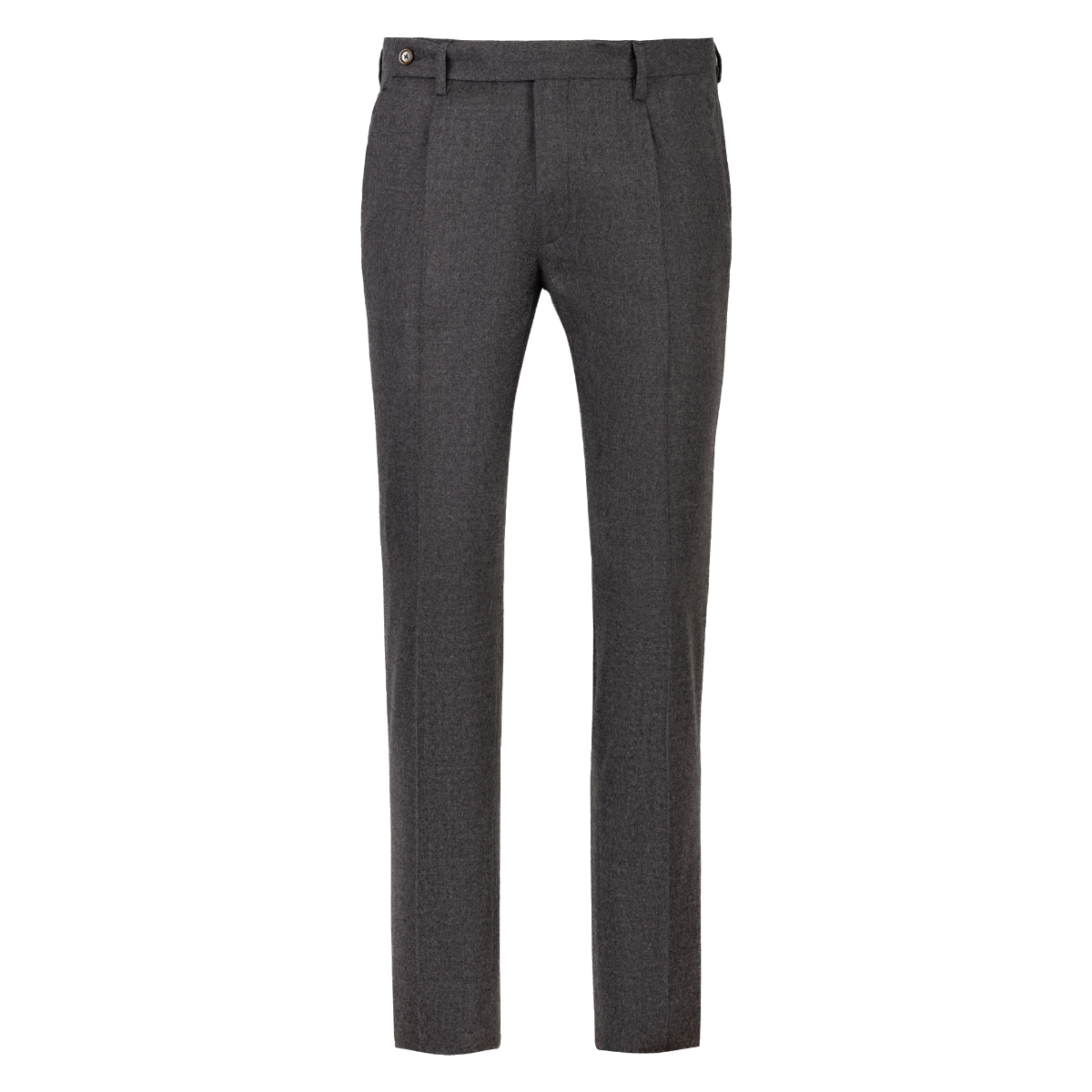
Trousers deserve equal attention. The waistband should sit securely without needing a belt to correct substantial excess, while the seat and thighs should allow comfortable movement. Below the knee, the width and length determine how the trouser meets the shoe. A small break can create a continuous line; little or no break gives a more abbreviated finish. The appropriate choice depends on the trouser's proportions and the footwear, not on a universal rule.
Finally, move. Sit down, walk and bend your arms naturally. Some creasing is part of wearing woven cloth, but persistent strain is different from ordinary movement. Ready-to-wear suits are made in finished sizes, so the aim is to find a shape that already works well for the body. Where alterations are available, modest changes to length or width may refine the result; they should not be expected to transform fundamentally unsuitable proportions.
Wear It with Intention, Care for It Simply
The pleasure of a wool suit often lies in how little it needs around it. A shirt, shoes and perhaps a tie can establish the level of formality without competing with the cloth. Begin with the setting rather than a formula. An occasion with an explicit dress code needs a different response from a working day with no such requirement. A wool business suit should not be assumed to meet a black-tie dress code simply because it is dark.
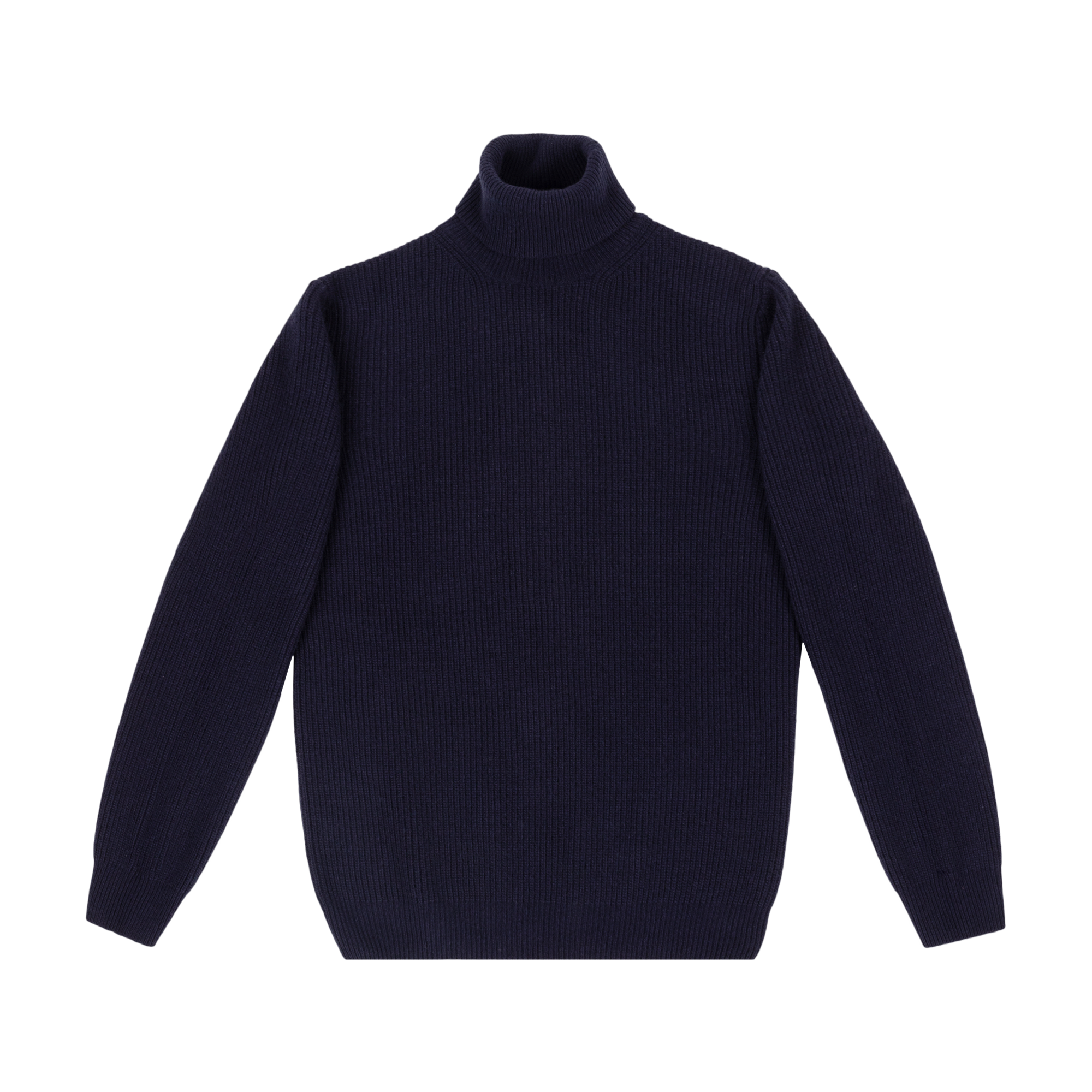
For less formal settings, consider how the suit itself is resolved before changing what sits beneath it. A textured cloth and a relaxed construction may accommodate a fine knit naturally; a more formal suit can retain its character even without a tie. The aim is not to disguise the suit as casual clothing. It is to let the fabric and shape remain convincing within the whole. A restrained choice of accessories leaves room to notice those qualities.
After wear, empty the pockets and place the jacket on a broad, shaped hanger. Hang the trousers neatly and allow both pieces to air before returning them to a crowded wardrobe. Giving the cloth time to rest helps it recover between wears. Light brushing with an appropriate garment brush can remove surface dust, but check the care guidance and be gentle with delicate finishes. Avoid storing a suit while it is damp.
Cleaning should follow the garment's care label and its actual condition, rather than an automatic schedule. Treat marks promptly by seeking suitable professional advice, especially when the substance is unknown. Ask the cleaner whether both pieces should be cleaned together to help maintain a consistent appearance. With attentive care and a shape that feels natural to wear, a wool suit becomes something worth returning to: familiar in use, but still rewarding in its cloth, colour and line.
Login and Registration Form